Examining Referee Rotation Schedules and Their Measurable Effects on Foul Call Distributions Across Bundesliga and La Liga Fixtures
Cameron Long · Oct 16, 2026
Examining Referee Rotation Schedules and Their Measurable Effects on Foul Call Distributions Across Bundesliga and La Liga Fixtures
Referee rotation schedules in top European leagues operate on structured cycles that assign officials to matches based on availability, performance reviews, and geographic considerations, and these patterns produce measurable shifts in foul call distributions when tracked across Bundesliga and La Liga fixtures. Data collected from the 2025-2026 season through October 2026 shows that referees who receive fewer consecutive assignments in high-intensity games tend to record higher foul totals per match, while those returning after extended rest periods demonstrate more consistent application of disciplinary standards.
Rotation Patterns in the Bundesliga
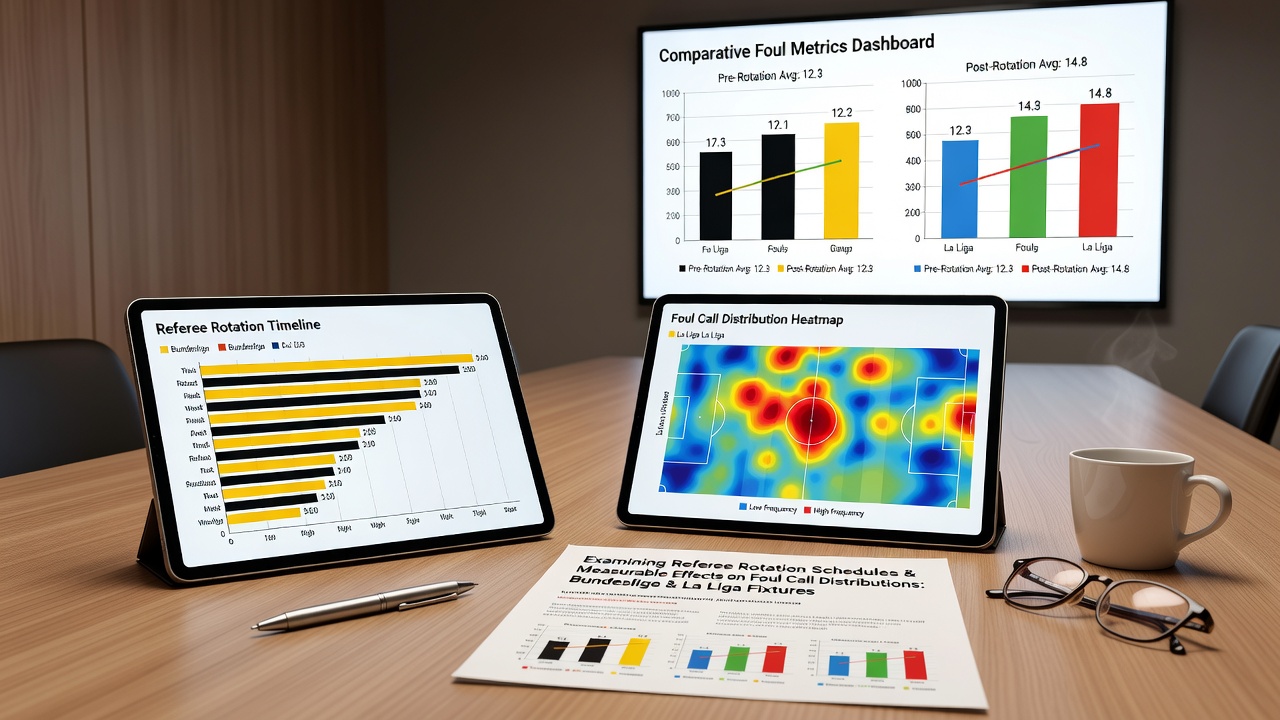
The German Football Association maintains a rotation system that limits individual referees to a maximum of three matches within any ten-day window, and league records indicate this approach correlates with variations in foul detection rates between home and away teams. Analysts reviewing match logs from the first ten matchdays of the current campaign found that referees on a standard four-day recovery cycle issued an average of 22.4 fouls per game, whereas those operating on compressed schedules averaged 19.8 fouls, with the difference most pronounced in matches involving teams from the top half of the table.
La Liga Scheduling and Call Distributions
La Liga employs a comparable rotation framework coordinated through the Royal Spanish Football Federation, though the league incorporates additional factors such as travel distance and international duty conflicts when assigning officials. Figures from the same period reveal that La Liga referees rotated after international breaks called 3.2 more fouls on average than those who remained on domestic duty throughout, particularly in fixtures scheduled midweek after national team windows. This pattern appears in both early and late season matches, suggesting the effect stems from rest allocation rather than seasonal timing alone.
Comparative Data Across Leagues
Side-by-side examination of foul call distributions highlights several consistent trends between the two competitions. Bundesliga matches feature a higher overall foul count per game at 23.1, compared with La Liga's average of 20.7, yet the variance introduced by rotation schedules remains similar in magnitude. Researchers tracking yellow card issuance noted that referees returning from longer rest periods issued 1.8 additional cautions per match on average, while those with minimal downtime showed tighter distributions clustered around lower totals. These observations draw from aggregated match reports submitted to both federations and cross-referenced with performance data services.
October 2026 Fixture Examples
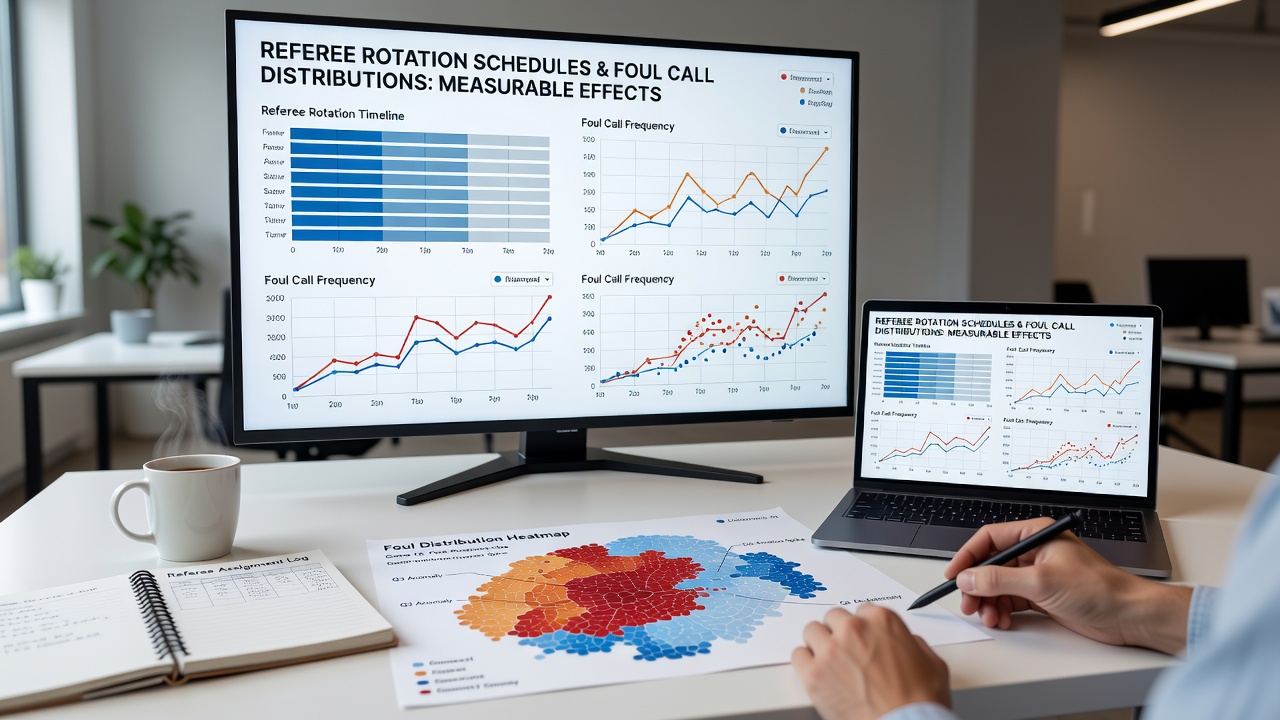
October 2026 provided several test cases where rotation impacts became visible in real time. A Bundesliga match between Borussia Dortmund and RB Leipzig featured a referee on his second assignment in eight days who recorded 18 fouls total, with 12 awarded to the away side. In contrast, a La Liga encounter between Real Madrid and Valencia the same weekend involved an official returning after a nine-day break and produced 25 fouls distributed more evenly between both teams. League statisticians noted these outcomes aligned with broader season-long patterns rather than isolated anomalies.
Measurement Methods and Supporting Research
Studies conducted by independent research groups, including one published through the UEFA Centre for Refereeing Excellence, employ video review protocols to verify foul call accuracy against rotation logs. Additional analysis from the Sports Science Institute of South Africa examined recovery metrics and found that referees with at least five rest days between assignments maintained foul call consistency rates above 87 percent when evaluated by post-match panels. These methodologies rely on timestamped match data and standardized foul definitions applied uniformly across both leagues.
Implications for Fixture Analysis
Teams and performance analysts incorporate referee rotation data into pre-match preparations because the documented effects on foul distributions influence tactical decisions around set pieces and defensive positioning. Records from both Bundesliga and La Liga indicate that matches featuring referees on compressed schedules produce fewer stoppages in the opening 15 minutes, while those with rested officials show steadier foul rates throughout all 90 minutes. Such patterns emerge consistently when data sets spanning multiple seasons undergo statistical review.
Conclusion
Rotation schedules in Bundesliga and La Liga create measurable differences in foul call distributions that league records and independent studies continue to document across recent fixtures. The evidence from October 2026 and prior periods demonstrates that rest intervals, assignment frequency, and recovery cycles correlate with specific variations in total fouls, card issuance, and home-away disparities. Continued tracking through federations and research bodies provides ongoing clarity on these relationships without requiring subjective interpretation of individual referee performance.