How Broadcast Timing and Media Coverage Windows Shape Wagering Volume in Austrian Football Alongside ATP and WTA Tournaments
Cameron Long · Oct 30, 2026
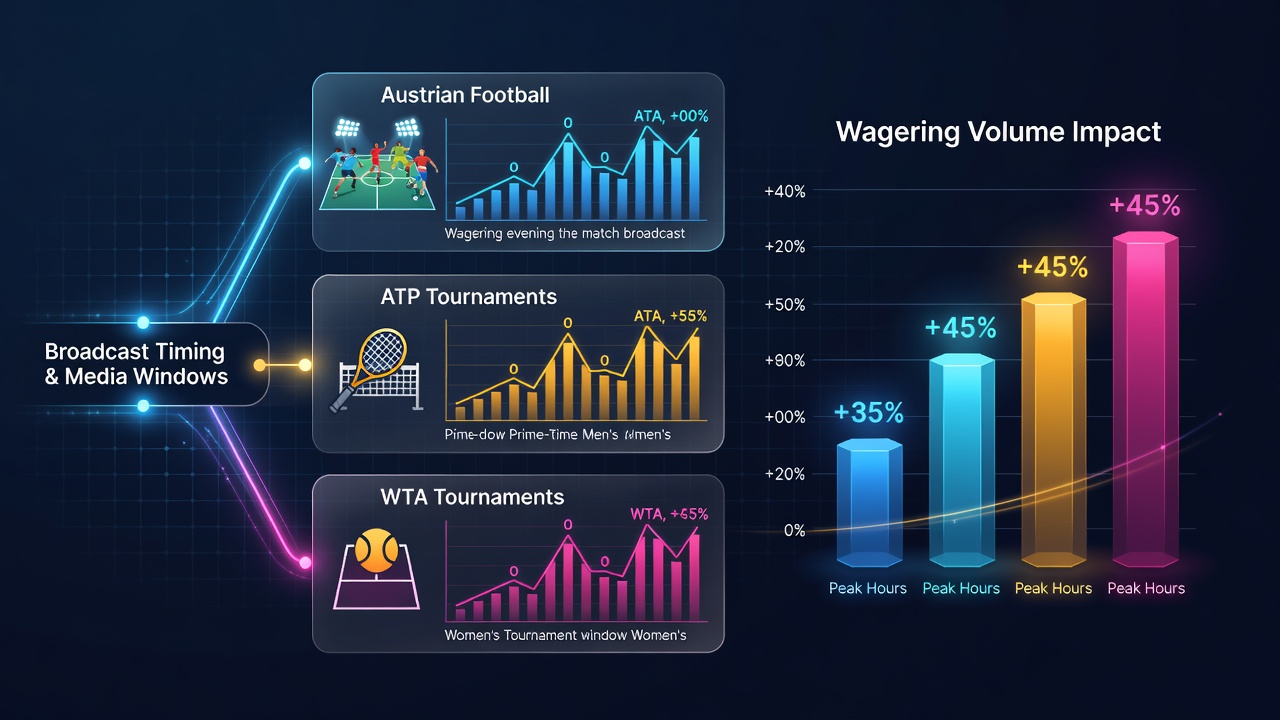
How Broadcast Timing and Media Coverage Windows Shape Wagering Volume in Austrian Football Alongside ATP and WTA Tournaments
Media schedules determine when Austrian football matches reach audiences through domestic broadcasters such as ORF and pay television providers, while ATP and WTA tournaments follow their own global coverage patterns that often intersect with European prime time slots. Observers note that these windows create measurable spikes in wagering activity because live betting markets remain open throughout matches and sets, allowing participants to place wagers in real time as events unfold. Data from industry reports indicate that coverage starting in the late afternoon or early evening aligns with peak viewer availability, which correlates with higher transaction volumes across licensed platforms operating in Austria.
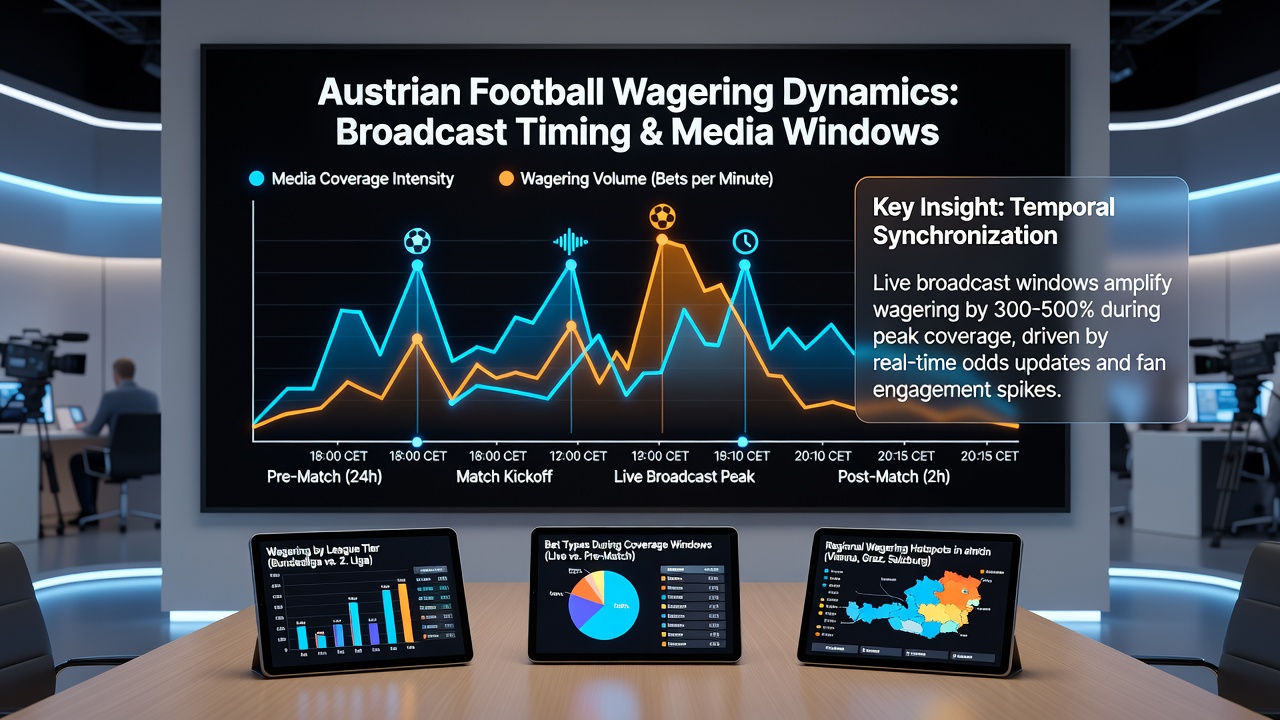
Austrian Bundesliga fixtures scheduled for Friday evenings or Sunday afternoons receive extended pre match analysis and live commentary blocks, extending the period during which betting markets stay active. Researchers tracking transaction timestamps have documented that volumes increase by measurable margins once broadcasts begin compared to matches shown only through delayed or highlight formats. The same pattern appears in cup competitions where knockout stages draw wider media attention and therefore sustain longer coverage windows than regular league rounds.
Overlaps Between Football and Tennis Broadcast Windows
ATP and WTA events held in Europe frequently share calendar space with Austrian domestic football, particularly during spring and autumn months. The Vienna Open, an ATP 500 tournament, occurs each October and places evening sessions directly against Bundesliga matchdays, creating simultaneous live betting opportunities. Figures from betting operators show that combined coverage periods generate distinct volume patterns because viewers switch between channels while maintaining active wagers on both sports. WTA events staged in nearby countries follow similar timing, and their afternoon sessions sometimes conclude just as evening football broadcasts commence.
October 2026 will feature the Vienna Open alongside several midweek Austrian league fixtures, a scheduling coincidence that places multiple high profile sessions within overlapping media windows. Broadcasters allocate dedicated studio time and on site reporting teams to these periods, which extends the duration markets remain open and visible to domestic audiences. Studies of transaction data reveal that such overlaps produce distributed rather than concentrated volume spikes because participants manage multiple active positions across different sports.
Prime time tennis coverage on channels reaching Austrian households tends to emphasize matches involving local or regional players, extending airtime and therefore the window for in play wagering. When these sessions run past 9 p.m., they coincide with late football results programs that recap earlier matches and preview overnight action. The combined effect keeps certain betting categories active across consecutive hours rather than in isolated blocks.
Regulatory Context and Market Data Patterns
Austrian gambling regulations require operators to maintain transparent records of transaction timing, which enables analysts to correlate volume changes with specific broadcast schedules. Reports compiled by the European Gaming and Betting Association document that markets tied to live televised events show higher participation rates than those linked to events with limited or no coverage. European Gaming and Betting Association statistics further separate volume by sport and time of day, confirming that evening windows produce the largest share of activity for both football and tennis.
Canadian research published through the Responsible Gambling Council examined cross sport betting during overlapping international tournaments and found similar timing effects, although the regulatory environment differs from the Austrian model. Those findings align with patterns observed in European data where extended coverage windows sustain elevated transaction rates for longer periods. Operators adjust market availability and odds updates to match these windows, which in turn influences the pace at which new wagers enter the system.
Effects on Different Betting Categories
Pre match markets for Austrian football experience their heaviest activity in the hours immediately preceding kickoff when build up coverage intensifies. In contrast, live markets remain fluid throughout the broadcast and often account for the majority of total volume once the match begins. Tennis presents a different distribution because sets and games conclude more rapidly, prompting frequent market refreshes within a single broadcast window. Observers tracking these differences note that combined football and tennis evenings produce layered volume curves rather than single peaks.
International tournaments broadcast on free to air channels reach broader audiences than exclusive pay television deals, which affects the demographic composition of participants placing wagers during those windows. Data indicates that free to air tennis sessions in the afternoon generate steady volume from mobile devices, while evening football matches draw higher desktop and tablet activity during extended coverage blocks.
Conclusion
Broadcast timing and media coverage windows establish the temporal framework within which wagering volumes develop for Austrian football and ATP WTA tournaments. Scheduled overlaps, prime time allocations, and the duration of live transmission each contribute distinct patterns visible in transaction records. Regulatory reporting requirements and industry analyses provide the data that confirm these relationships across multiple seasons and calendar years. As schedules for October 2026 illustrate, future intersections between domestic league fixtures and European tennis events will continue to shape the distribution of activity across available markets.