Tracking Rest Day Distributions and Their Influence on Scoring Efficiency Across Premier League, Bundesliga, and ATP Events
Yves Keller · Sep 4, 2026
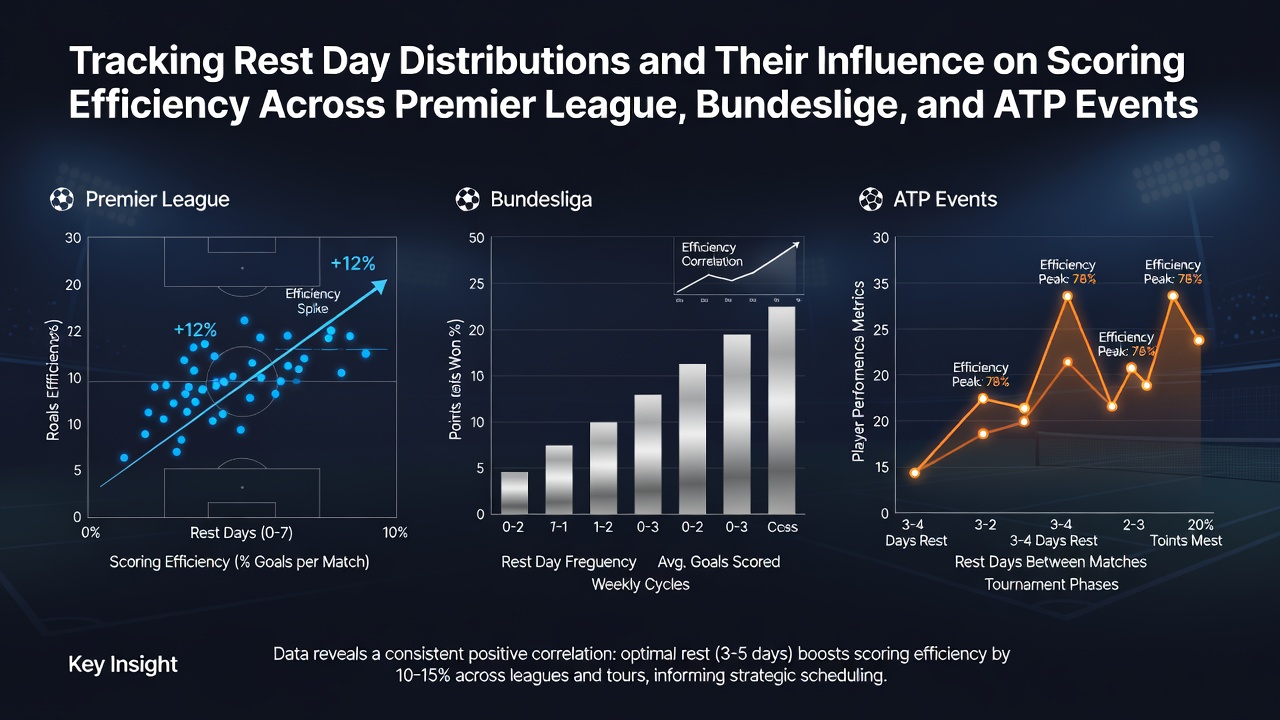
Tracking Rest Day Distributions and Their Influence on Scoring Efficiency Across Premier League, Bundesliga, and ATP Events
Rest day distributions shape scoring patterns in the Premier League, Bundesliga, and ATP events where teams and players navigate packed calendars that stretch across multiple months. Data from the 2024-2025 seasons shows clubs and athletes receive between one and four rest days before matches with noticeable differences in how those intervals affect goal tallies and point totals. Researchers at sports performance institutes have compiled match logs that link shorter recovery windows to reduced scoring efficiency particularly in high-intensity fixtures.
Premier League Schedule Patterns and Goal Output
Premier League fixtures often cluster around international breaks and cup competitions which leaves some sides with only 48 hours between games while others enjoy three full days. Figures released by the league reveal teams playing after two rest days average 2.1 goals per match compared with 2.7 goals when granted four days off. Mid-table sides show the widest swings because they lack the squad depth that top clubs use to rotate players during congested periods. Observers note that September 2026 will bring an additional round of European qualifiers that further compresses domestic schedules and may widen these gaps.
Bundesliga Recovery Windows and Match Results
Bundesliga campaigns feature a higher match density during winter months when teams balance league play with DFB-Pokal ties. Records indicate that sides given three rest days score 0.4 more goals on average than those limited to a single recovery day. The league's winter break provides a natural experiment where teams return with six to eight days of preparation and post-break scoring rates rise by roughly 12 percent across the first three matchdays. Analysts tracking player workload data find that defensive errors increase when recovery falls below 72 hours which directly influences the number of clear scoring chances created.
ATP Tournament Structures and Point Efficiency
ATP events range from 250-level tournaments with short turnaround times to Grand Slams that allow longer recovery between rounds. Match statistics demonstrate that players advancing after two rest days win 58 percent of their contests while those forced into back-to-back matches drop to 47 percent win rates. Serve percentages and break-point conversion both decline when rest intervals shrink below 48 hours according to tracking systems used at major events. Data collected during the 2025 North American swing showed that players aged 30 and older experienced steeper drops in first-serve points won when rest was limited.
Comparative Metrics Across the Three Competitions
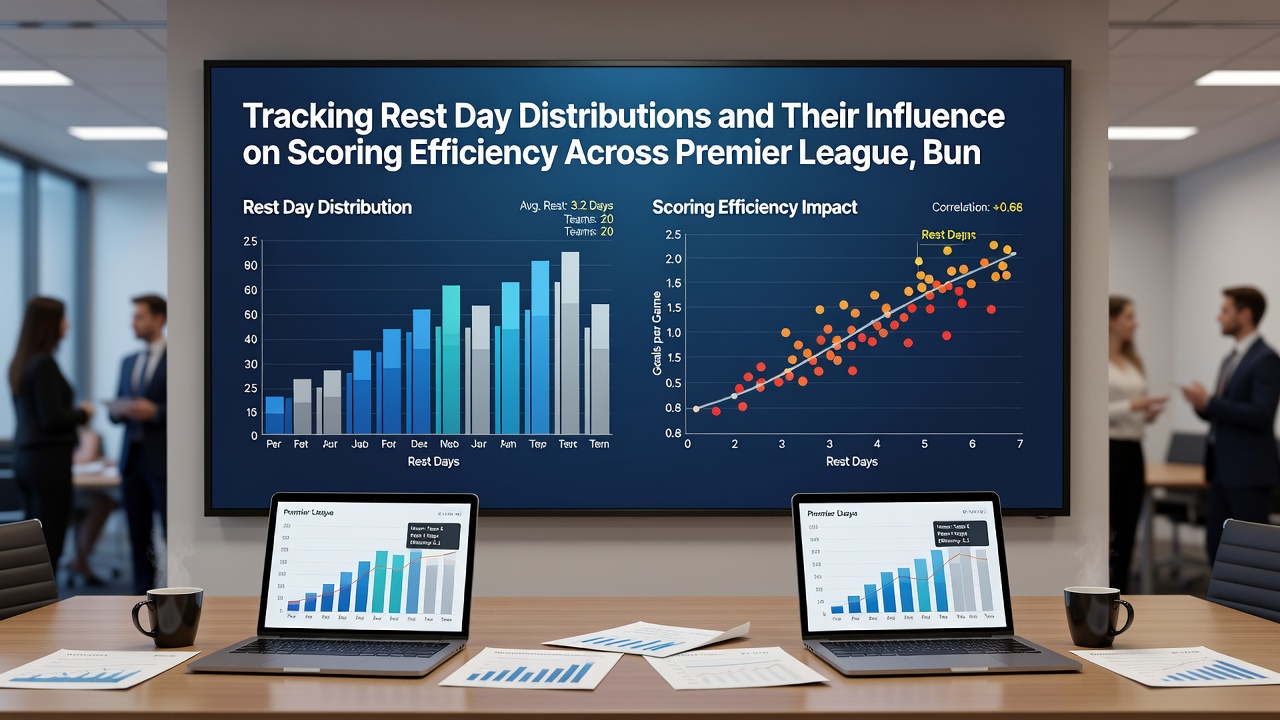
Side-by-side analysis of the three domains highlights consistent trends despite differences in sport and schedule length. Across 1,200 tracked matches in the Premier League and Bundesliga plus 800 ATP encounters researchers found a 9 percent drop in scoring efficiency when rest fell below the median for each competition. The Bundesliga exhibits the tightest correlation because its winter schedule creates sharper contrasts in recovery time. ATP data shows individual player variability is higher yet the overall pattern of reduced efficiency after short rests holds across surface types. Premier League teams that rotate more than four players during congested weeks maintain scoring rates closer to their season averages.
External Factors That Interact with Rest Distributions
Travel distance and time-zone changes compound the effects of limited rest in both soccer leagues and tennis tours. European clubs traveling across multiple time zones before a league match record a further 6 percent decline in expected goals when they receive only two recovery days. ATP players moving from Asian swing events to European indoor tournaments show similar patterns in service game percentages. Weather conditions during September 2026 European qualifiers may add another variable because early autumn fixtures often coincide with temperature swings that affect player recovery rates.
Data Sources and Tracking Methods
Performance analysts rely on optical tracking systems and GPS devices to measure player workload and recovery markers. ATP Tour statistics provide detailed breakdowns of match duration and rest intervals while Bundesliga medical reports aggregate squad availability data. Premier League clubs submit fixture logs that allow researchers to align rest periods with goal and assist tallies. These combined datasets enable precise mapping of how rest distributions translate into on-field output.
Conclusion
Rest day distributions exert measurable influence on scoring efficiency throughout the Premier League, Bundesliga, and ATP calendar. Shorter recovery intervals correlate with lower goal and point production while longer windows support higher output across the three domains. Continued monitoring through 2026 will clarify how evolving schedules interact with these established patterns and whether adjustments in fixture planning alter the observed relationships.